The Future of School: Learning with Purpose, Designing for Change
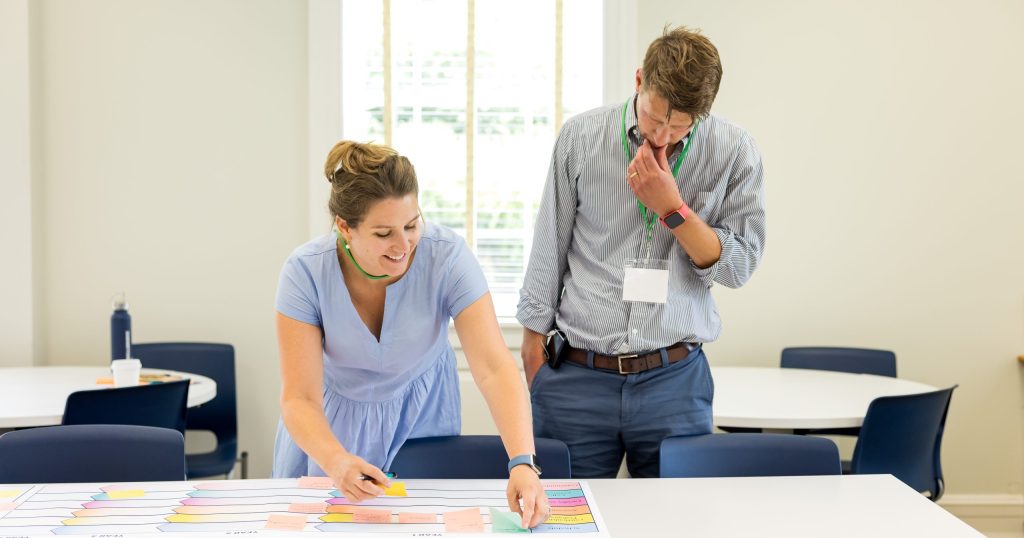
We spend a great deal of time optimizing the machinery of school — refining curricula, tracking outcomes, modifying schedules, reporting on performance. But how often do we pause to consider whether we’re moving in a direction that best serves our students?
This gathering is an invitation to think more deeply — and more meaningfully — about the purpose of education at a moment when nearly everything about the future feels uncertain. Artificial intelligence is reshaping the workplace faster than our syllabi can keep up. Pursuing a college degree requires more money than ever before, without a guaranteed return on investment. And students are arriving in our classrooms asking, in one way or another: what is all of this for?
How do we address these tensions? How do we design schools that are honest about what the future demands — and courageous enough to change? These are the questions at the heart of this symposium.
Symposium Themes Speakers & Presenters
Register five or more people from one school, receive a 20% discount per person!
Email for details → Register →Symposium Themes
The world students are entering looks fundamentally different from the one most educators were trained to prepare them for. What are the responsibilities of schools in this uncertain time?
Guiding questions for this theme include:
- In a world where AI is reshaping work faster than schools can respond, what does it actually mean to prepare students — and which human skills matter most and how should we cultivate them?
- What do students need to thrive in a world we can’t fully predict — and are we effectively preparing them?
At its core, this symposium is asking a question that educators rarely get to sit with long enough: what is the purpose of a high school education, and are we building toward it? This theme invites sessions that grapple honestly with the deeper why behind what we do — including what success after high school actually looks like and whether the paths we recommend truly serve students.
Guiding questions for this theme include:
- What is a high school education for?
- What does it mean to be educated, and is that what we’re actually building toward?
- What does success after high school look like, and what types of pathways best serve students?
Approaches to assessment and learning design significantly shape student experiences — what we choose to measure, and how we measure it, tells students more about our values than anything we put on a syllabus.
Guiding questions for this theme include:
- What would it look like to design learning around genuine competency rather than compliance — and what would we have to let go of to accomplish this?
- If our assessments told the whole truth about what students know and can do, what would change?
- What types of systems, structures, or practices can we design to give students meaningful opportunities to demonstrate their understanding and application of content and skills?
What happens when students become the authors of their own learning? This theme explores what it looks like to move toward learning environments where student agency is real, structural, and consequential.
Guiding questions for this theme include:
- What happens when we treat students as the authors of their own learning?
- What systems, structures, and practices make genuine student agency possible?
- How do we move from compliance-driven classrooms to learning environments where student agency is real, not just rhetorical?
Featured Panel: The College Question
In addition to breakout sessions, the symposium will include a curated panel discussion on a pressing question in secondary education today: Is a four-year college degree still the right default destination for our students?
This panel will bring together a range of voices to surface honest perspectives on what comes after high school and what role schools should play in expanding the conversation.

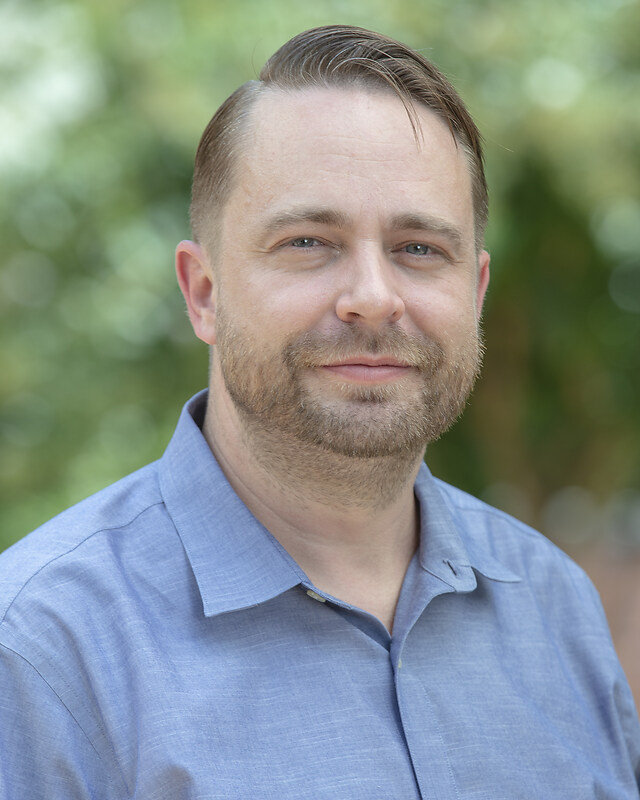
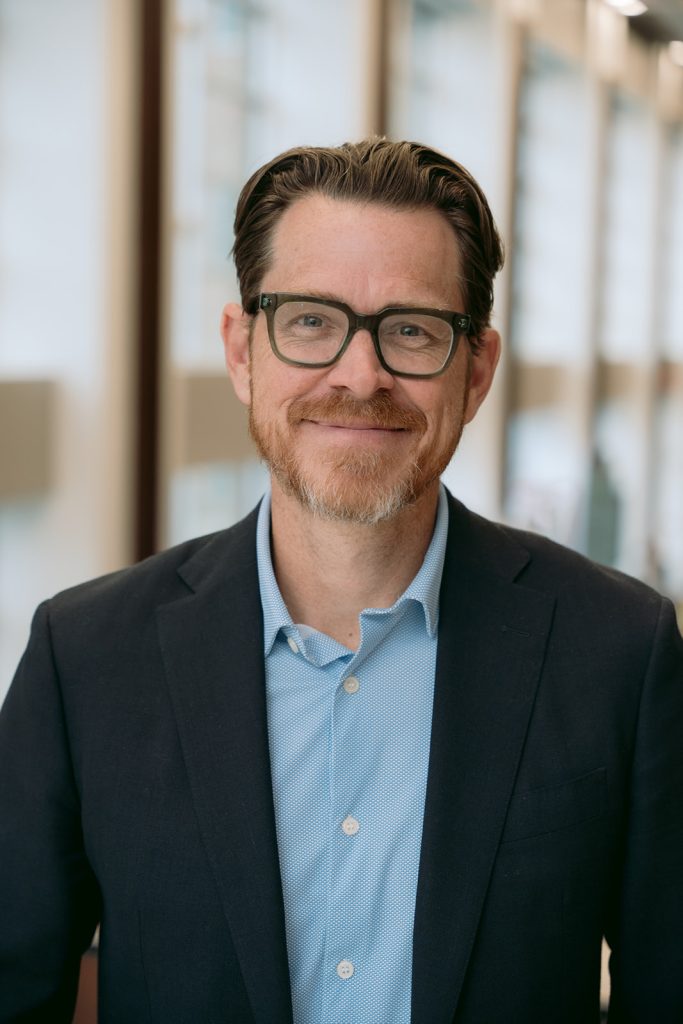
Panelists Include:
Featured Speakers & Session Presenters
Jared Colley, Chief Innovation Officer, Mount Vernon School
Jared Colley is the Chief Innovation Officer at Mount Vernon School where he also works as the resident Competency-Based Education specialist, coaching and supporting teachers on CBE assessment and instructional practices. He also serves as a Senior Consultant and Editor for MV Ventures where he consults with schools on a variety of topics related to teaching and learning and serves as Senior Editor of MV Ventures’ quarterly R&D Reports, where he recently published the reports, “A People-Centered Organization Living in an AI World;” and “Imagine Then, Act Now: Futures Literacy for Learning Organizations.” Jared is passionate about authentic assessment, purpose-driven learning, and the idea that collective intelligence is how we solve the world’s most wicked challenges. His most recent research and work focuses on how schools can adopt and develop a more robust “futures literacy” as a collaborative, learning organization by engaging in various foresight practices such as scenarios-based planning and speculative design fiction work. As a professional trained in foresight practices and futures thinking methodologies, Jared loves to work with diverse teams and collaborative organizations to shape mission-driven and values-informed futures that envision a more-than-human-centered world that is just and beautiful.
Session Presenters
Director of Professional Development and English Faculty, George School

Director of Global Learning in the Teaching & Learning Department, Boston Public Schools
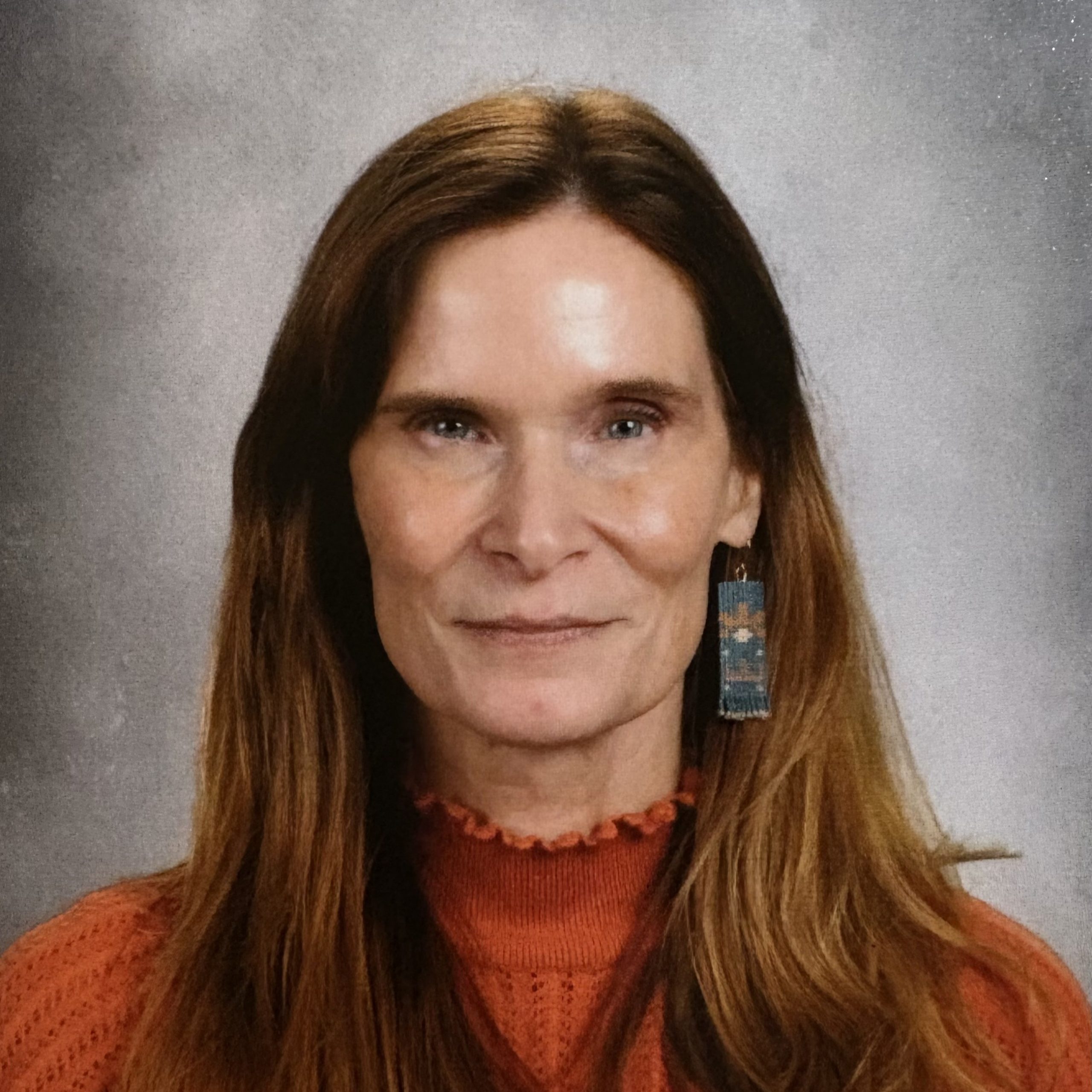
Director of Teaching & Learning, Holland Hall
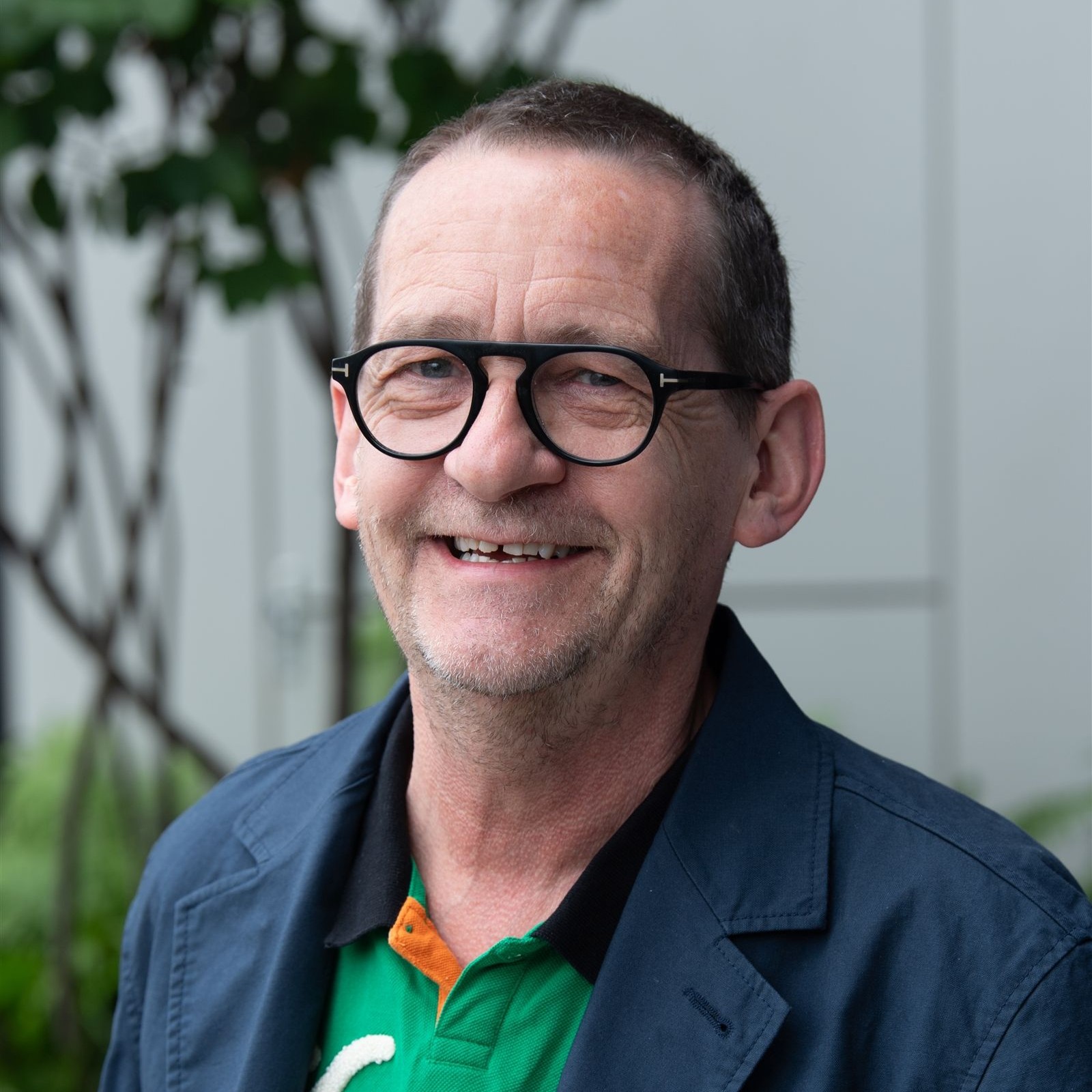
Cofounder, Tools at Schools and Rewind Reset Forward

World Languages Program Director, Boston Public Schools

Director of Experiential Learning, Hebron Academy
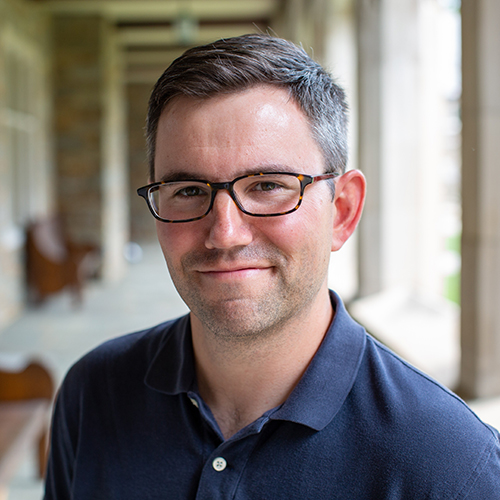
History Department Chair, St. Andrew’s School

Director of Innovation, Atlanta International School
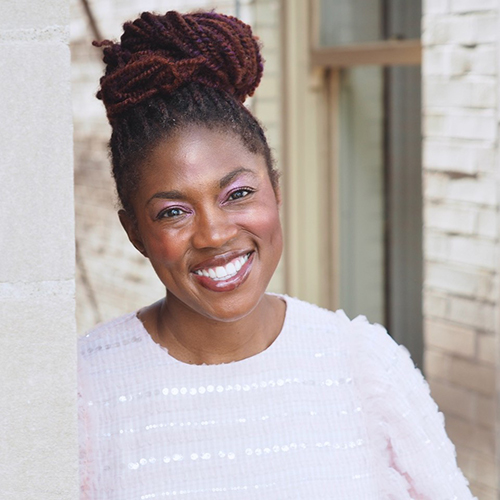
Founder, Yom Fox Education

Associate Head for Academic Affairs, Ravenscroft School
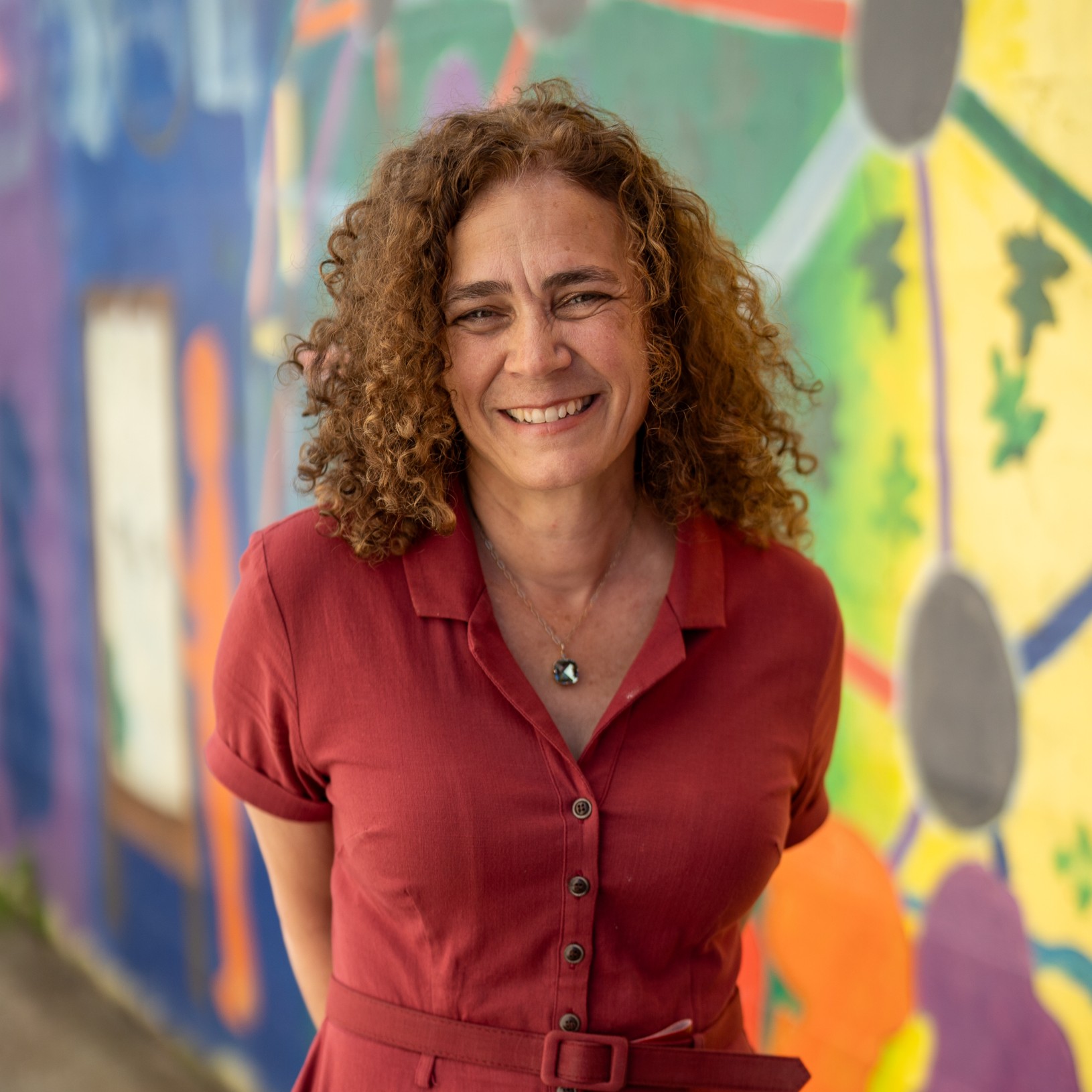
Founder and CEO, The Oaks Center for Educational Advancement
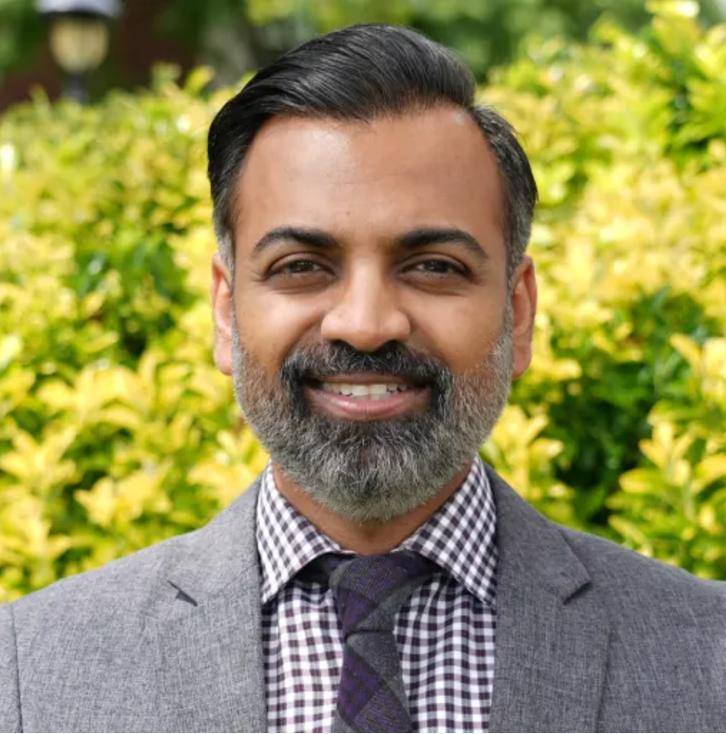
Director of Academic Technology and AI Research, Rye Country Day School
Latin Teacher and Language Department Chair, Miss Porter’s School

K-12 Technology Integration Specialist and Instructional Coach, Farmington Public Schools

K-12 Technology Integration Specialist and Instructional Coach, Farmington Public Schools

Director of Library Services and English Faculty, George School
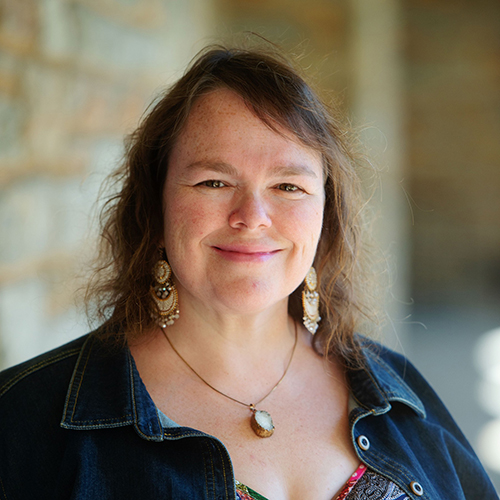
Dean of Teaching & Learning, St. Andrew’s School
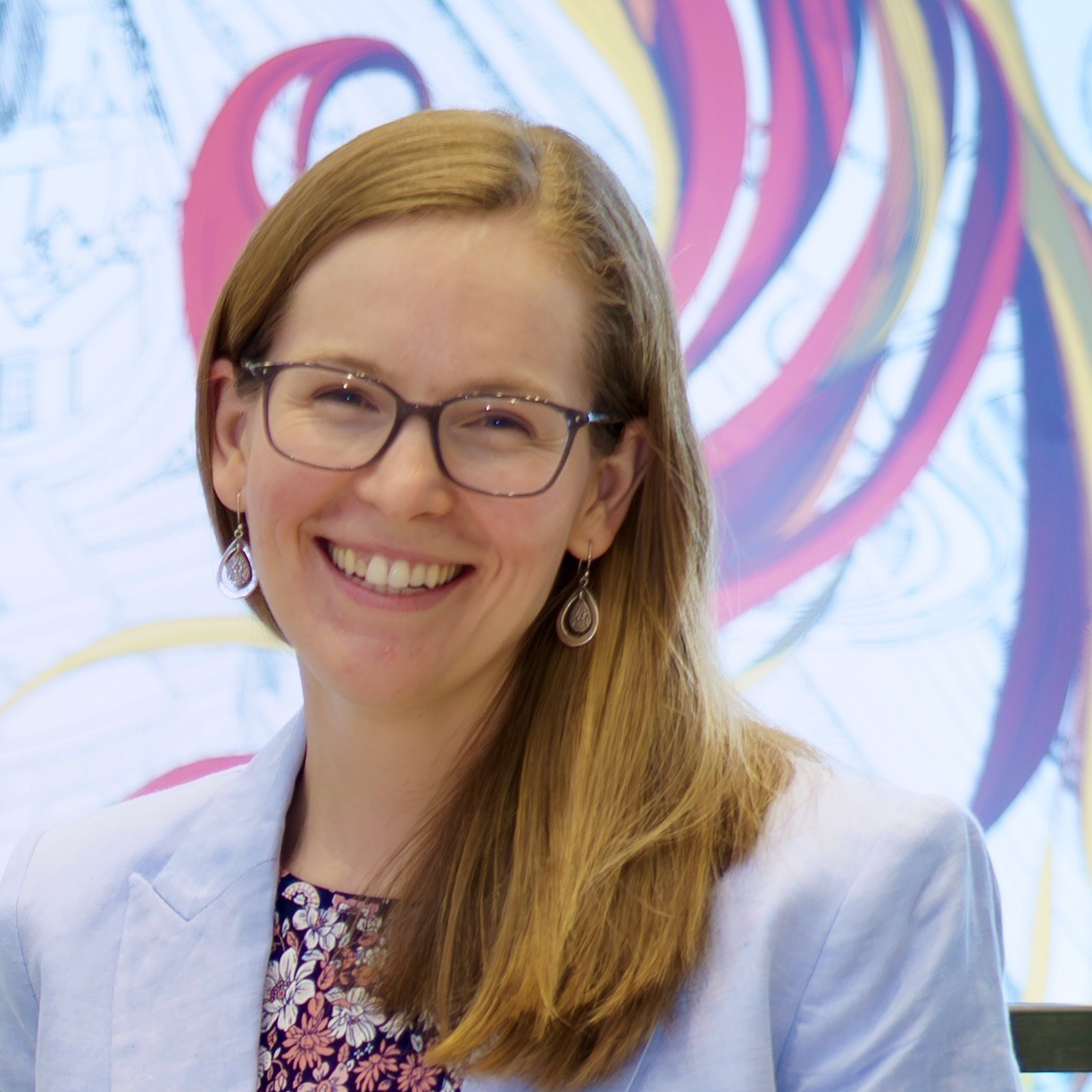
World Languages Program Director, Boston Public Schools
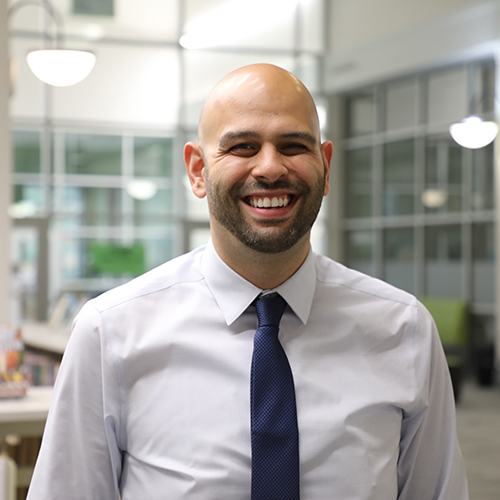
Chief Information and Innovation Officer, Ravenscroft School

Modern Languages Department Head, Beaver Country Day School
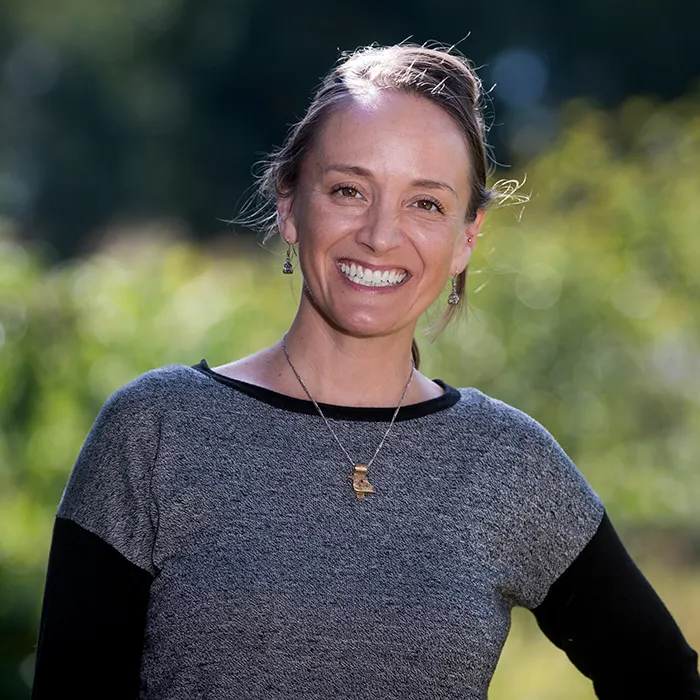
Director of School, North Country School

Chair of Creative Technology, Marymount School of New York
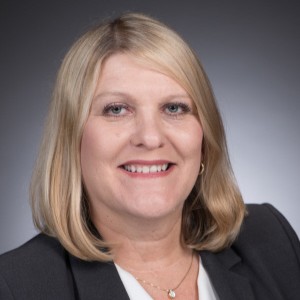
Director, Mount Vernon Ventures
Session Descriptions
Presenter: Jane Beckwith, Director of Teaching & Learning, Holland Hall, OK
How might we leverage the AI Friction Scale to design learning experiences that prioritize genuine competency and the cultivation of durable skills in an AI-saturated world?
This session introduces the AI Friction Scale, a conceptual framework that helps move us from policies to focus on pedagogy and productive struggle. Grounded in Mind, Brain, and Education (MBE) science, the scale functions as a cognitive-behavioral taxonomy to help educators design learning experiences that prioritize student agency and prioritize deep learning.
We will begin by exploring the science of productive struggle, identifying when “friction” is a necessary catalyst for mastery. Using case studies, we will look at examples of how the framework can inform a school-wide approach to learning, or simply support teachers and students in designing for and reflecting on cognitive rigor and the use (or not) of AI. The final portion of the session is a hands-on design lab. Participants will use the framework to brainstorm and revise their own work, shifting from policy-driven AI use to learning environments where student agency and durable skills are the primary focus.
Presenter: Maureen Lamb, Languages Department Chair, Miss Porter’s School, CT
As AI changes how students draft, revise, research, and receive feedback, schools have an opportunity to rethink assessment as something more meaningful than a final product. This session helps educators design assessments that make learning visible through process, reflection, revision, dialogue, transfer, and purposeful use of tools. Rather than focusing on restriction or detection, Maureen Lamb will guide participants through a practical framework for building assessments that clarify what students are learning, how they are thinking, and why their work matters. Participants will examine a current assignment, identify the kinds of evidence it currently gathers, and redesign it to include checkpoints that support metacognition, student voice, and deeper understanding. The session will also address how to communicate AI expectations clearly and constructively so students can make ethical, purposeful choices about when and how to use emerging tools. By the end, participants will have a revised assessment plan that is more transparent, more reflective, and more aligned with the durable skills students need beyond school.
Presenters: Timothy Neville & Andy Marshall, K-12 Technology Integration Specialists, Farmington Public Schools, CT
AI tools can generate polished explanations, lesson ideas, summaries, feedback, and research support in seconds. But plausible output is not the same as trustworthy output. As AI becomes more embedded in professional and student workflows, verification is becoming a durable skill: the human capacity to question, test, trace, compare, and defend the reliability of information.
In this hands-on session, K–12 leaders and 7–12 educators will explore practical approaches for verifying AI-generated outputs in their own work before designing ways to teach those same habits to students. Participants will test sample AI outputs connected to common educator workflows, such as planning, communication, data interpretation, assessment design, and research support. They will practice using verification moves such as source tracing, claim checking, context testing, bias detection, confidence calibration, and expert judgment.
The second half of the session shifts from adult use to student learning. Participants will learn about and adapt a verification protocol that positions students as active evaluators of AI outputs rather than passive consumers. Each participant will leave with a professional verification protocol, a student-facing routine, and paste-ready prompts they can adapt for their own setting.
Presenter: Dr. Karina J. Baum, Director of Global Learning, Boston Public Schools, MA
What if preparing students for the future required us to slow down today? In an era defined by accelerating change, rising anxiety, and increasing pressure to achieve, schools often prioritize coverage, completion, and measurable outcomes over deep understanding and meaningful engagement. Yet the challenges students will face beyond graduation demand something more: the ability to navigate complexity, consider multiple perspectives, act ethically, and continue learning throughout their lives.
This interactive session invites educators to reconsider what success after high school should look like and whether current school structures truly support those goals. Drawing on global competency frameworks and examples from purpose-driven learning initiatives, participants will explore how slowing down learning can foster deeper understanding, student agency, empathy, civic engagement, and global competence.
Through reflection protocols, collaborative discussion, and practical design tools, participants will examine competing definitions of educational success and consider how schools can better align curriculum, assessment, and learning experiences with a broader vision of student growth and impact. Attendees will leave with actionable strategies and resources to design learning experiences that prepare young people not simply for the next step, but for thoughtful participation in an interconnected and rapidly changing world.
Presenters: Eric Walters, Chair, Creative Technology & Don Buckley, Entrepreneur in Residence, Marymount School of New York, NYC
Rebecca Winthrop and Jenny Anderson, authors of The Disengaged Teen, noted, “Explorer mode is the peak of the engagement [for learners].” That presents a challenge: How do we get students to turn towards their learning and not away from it?
As schools wrestle with the future of learning, one question becomes increasingly urgent: How do we design learning experiences that help students become more creative, curious, and authentically themselves? This session explores Divergent by Design, a framework for cultivating student agency through interdisciplinary, real-world learning experiences. Using Marymount School of New York’s Certificate in Design, Innovation, and Impact as a case study, participants will examine how schools can move beyond traditional achievement models to create flexible pathways that value creativity, experimentation, reflection, and impact.
Grounded in program design, and experiential learning structures, the session highlights how mentorship, capstone experiences, and public-facing projects can foster deeper engagement and authentic ownership of learning. Participants will leave with practical strategies for cultivating school cultures where students move beyond compliance and toward initiative, innovation, and impact — preparing them not simply to succeed in the future, but to help shape it.
Presenter: Daren Khairule, Director of Academic Technology & AI Research, Rye Country Day School, NY
Participants will examine a practical framework that connects our AI competencies (Responsible & Ethical Use, Critical Evaluation, Productive Struggle, Constructive Collaboration, and AI Literacy) with a five-level assessment and skill-development scale: AI Censored, AI for Clarification, AI for Planning, AI for Collaboration, and AI as a Co-Creator. The scale helps teachers specify the intended level of AI involvement for each assignment, identify which skills are being protected or strengthened, and provide students with a shared language for responsible use.
The session then shows how the framework translates into professional learning. RCDS’s rollout begins with a whole-school foundation for all faculty, then differentiates by division: Lower School AI Awareness, Middle School AI Literacy, Upper School AI Fluency, and an advanced pathway for our AI experts. Attendees will also explore the RCDS professional learning model to support data privacy expectations, instructional design, and assessment redesign through action-research cycles.
Presenter: Connie White, Director, Mount Vernon Ventures, GA
AI can now do in seconds what we used to call thinking: research, drafting, defending an argument. So what’s left for students to actually own?
This interactive session gives you a practical framework for building real student agency, not just engagement, into any classroom, at any grade level, in any discipline. You’ll see how real courses put students in the driver’s seat through meaningful choice, authentic problems, and opportunities to explain and defend their thinking, and how assessment can shift from grading a finished product to making a student’s thinking process visible.
You’ll leave with tools you can use the next day: a framework for designing learning experiences around genuine student ownership, a way to audit your own assessments for where they reward compliance instead of authorship, and a redesigned learning experience or assessment built during the session itself. No theory without application, every framework here gets tested against a real lesson or assessment you bring with you. If you’re rethinking what “student agency” means when AI can write the essay, this session gives you somewhere to start.
Presenters: Katie Quackenbush & Katy Cen, World Language Program Directors, Boston Public Schools, MA
How can we move beyond compliance-driven assessments to measure genuine competency? This interactive workshop explores how proficiency-based learning and the Integrated Performance Assessment (IPA) framework, originally developed in World Language education, can serve as a model for reimagining assessment across disciplines. Participants will examine the foundational principles of proficiency-based learning, consider the limitations of traditional testing, and explore how authentic, multi-modal performance tasks create meaningful opportunities for students to demonstrate understanding, communication, and real-world application of knowledge and skills.
Through collaborative discussion, classroom examples, and guided design activities, participants will explore how principles of World Language proficiency can be adapted to their own content areas and begin developing a scaffolded performance task aligned to their instructional goals. By the end of the session, educators will leave with adaptable templates, practical resources, and concrete strategies for designing assessments that more authentically capture what students know, what they can do, and how they apply their learning beyond the classroom.
Presenters: Kyle Abbott, Director of Professional Development & Alex Pfundt, Director of Library Services, George School, PA
What do the school library’s classification system and YouTube’s recommendation algorithm have in common? Both organize information and mediate access to it, ultimately influencing what the user comes to know. But what happens when we ask our students to interrogate these systems for their intended purpose, the assumptions embedded in what they organize, and whose perspectives they privilege? And what happens when students begin to examine their own position and participation within these systems?
This session presents an information and algorithmic literacy curriculum developed through a collaboration between a school librarian and a Theory of Knowledge teacher at a Quaker IB World School. Beginning in the physical library stacks, where students encounter classification systems as tangible arguments about value and belonging, the curriculum moves toward the invisible architectures of search and recommendation algorithms, where information is personalized, feedback loops amplify existing beliefs, and the interpretive burden falls entirely on the individual user.
Participants will explore how the visible-to-invisible arc creates conditions for epistemic humility, healthy skepticism, and an emerging advocacy disposition. These are durable, necessary skills for navigating our “shared” information environments that AI is rapidly making even more consequential and less transparent. Activities are adaptable across disciplines.
Presenter: Jared Colley, Chief Innovation Officer, Mount Vernon School, GA
We’ll examine how emerging agentic AI is reshaping skills students will need to thrive in school, work, and civic life by exploring Mount Vernon’s human-centered AI Fluencies Framework, seeing how discernment, authorship, systems thinking, responsible decision-making, and ethical accountability create a roadmap for K12 capacity building.
Based on research from MV Ventures’ upcoming 2026 R&D Report, we’ll also analyze emerging workplace shifts and unpack three critical transformations taking place in the age of agentic AI:
- From Production and Task Execution to Direction and Task Stewardship;
- From Authorship and Ownership to Transparency and Provenance Documentation, and
- From Performance of Knowledge to Exercising Judgment/Discernment.
Scenario-based leadership exercises will help participants anticipate implications for curriculum, assessment, PD, and academic integrity, leaving them with practical strategies to shape professional learning, redesign evidence of learning, and future-proof one’s school’s approach to teaching and learning in an era of distributed intelligence.
Presenters: Matt Edmonds, History Department Chair & Emily Pressman, Dean of Teaching and Learning, St. Andrew’s School, DE
How can schools prepare students for lives of purpose, particularly in an age of uncertainty and rapid technological, social, and economic change? Using the History Department at St. Andrew’s School as a case study, this workshop will explore how educators might chart a course from institutional purpose to classroom practice by translating an aspirational mission and disciplinary departmental philosophy into an actionable, competency-based curriculum that prioritizes human connection and critically-engaged citizenship.
Drawing on the work of Ronald Heifetz (The Practice of Adaptive Leadership), this workshop will also explore how such an iterative curriculum mapping project can help to address one of the central “adaptive challenges” faced by independent school leaders today. Reframing the need for “institutional alignment” as an opportunity to collaboratively articulate shared goals, such a project centers faculty voices in designing a curriculum that cultivates the durable skills and intellectual agency students will need to navigate an unpredictable future.
Finally, moving from theory to practice, attendees will begin mapping the terrain between disciplinary (or interdisciplinary) skills and their own schools’ mission statements. They will leave equipped with a practical blueprint to design systems that confidently face the future while honoring their school’s most deeply-held values.
Presenter: Steven Davis, Director of Experiential Learning, Hebron Academy, ME
What if the most powerful classroom a school can offer isn’t a room at all — but a river, a forest, a farm, a community garden, or a town in the midst of change? This session argues that proximity — the deliberate cultivation of relationships between students and the places, people, and issues and challenges immediately around them — is not a supplement to purposeful learning. It is its foundation.
Drawing on the tools, commitments, and practices animating Community-Engaged Learning (CEL) at Hebron Academy, we will explore what it looks like when schools move beyond transactional service models toward sustained, reciprocal partnerships rooted in specific places. Proximity shifts the curriculum from abstract to embodied: students studying ecology on land they steward, exploring agriculture and food systems at farms they visit, developing civic identity alongside the neighbors who share their community and its future. The local becomes, in this way, a springboard for transformative impact — a place to encounter, in immediate and human terms, the environmental, social, and economic forces (re)shaping our lives and the planet.
Participants will leave with a set of strategies and frameworks for auditing their own institutional geography — identifying which local assets, partners, and landscapes they are already adjacent to, and how those relationships might become load-bearing structures of their academic program rather than add-ons.
Presenter: Joe Fambro, Director of Innovation, Atlanta International School, GA
Explore emerging signals shaping the future of schools and identify what to strengthen, adapt, or let go in your context through the Three Horizons Framework for School Leaders. As a participant you will confront the gap between the school/department/classroom you run today and the world your students will walk into as adults, explore how to loosen the grip of Horizon 1 and look at the future without flinching, and draft the Horizon 2 pilot you have been too scared or too busy to build.
During the session, participants will engage with a sample future signals map, explore a set of provocations to use with faculty and staff, and draft ideas for Horizon 2 pilot initiatives.
Presenter: Dr. Donna Hyatt, CEO, Oaks Center for Educational Advancement
Assessment shapes how students see themselves as learners. In practice, it often communicates more powerfully than instruction, curriculum, or standards. Assessment design can either reinforce compliance or support authentic competency. Authentic assessment elicits evidence of understanding through application beyond recall, including transfer of knowledge and skill to new contexts, explanation of reasoning, and revision based on timely feedback. Competency-based approaches prioritize real-world application over completion, iteration over one-time performance, and sustained evidence of learning over time. Together, these approaches shift assessment from a single moment of judgment to a more accurate representation of what students know and can do in real contexts.
The purpose of this workshop is to align assessment more closely with what students are actually being asked to learn and do beyond the classroom. Participants will leave with a redesigned assessment and a clearer understanding of how small structural shifts in design can move practice from compliance toward competency.
Participants will work directly with their own practice by bringing two existing assessments, one designed primarily for compliance and one that reflects competency in action. Through structured comparison, they will identify the design features that shape each approach and make visible what is actually being measured. They will then revise a compliance-based assessment so it better reflects authentic demonstration of understanding and outline an implementation plan.
Presenter: Yom Fox, Independent School Consultant and Founder, Yom Fox Education, NY
The world students are entering looks nothing like the one most of us were trained for, and the temptation is to argue about whether AI is good or bad. But we have rehearsed this fear before. We worried that video would kill the radio star, that Photoshop would end photography, that the calculator would erase arithmetic. The predictions were rarely right in the way we expected. Radio outlived MTV’s own music channels, which went dark in 2025. The durable question was never which skill died, but which human capacities we still had to build before a tool could responsibly step in.
This session asks that question of AI in the three places the fear runs deepest: critical thinking, creativity, and connection. We will break each into the foundational skills students develop, from brainstorming and source evaluation to original thinking to the courage to ask for help and be known, then examine what, when, and how we teach so that understanding AI deepens these capacities rather than quietly replacing them. Participants leave with shared language and practical tools for their learning communities.
Presenters: Ashley Waldorf, Director of School, North Country School, NY
With Max Goldberg, Math & Tech Teacher, Co-Coordinator of Community Logistics; Caroline Hlavacek Perry, Director of Teaching & Learning; Courtney Allen, Theater Teacher, Art Department Head
What does student agency actually look like when it’s structural, not rhetorical? At North Country School, a junior boarding school in the Adirondacks, agency isn’t a classroom strategy — it’s the architecture of the learning experience itself. This session uses the School’s annual play as a central case study—though the same dynamics drive our outdoor and farm curricula. Students opt into the production, then co-author virtually every dimension: set design, costumes, lighting, and even the script. They dream, build, hit walls, negotiate, and pivot. Adults guide the process and challenge the thinking, but the decisions—and the consequences—belong entirely to the students. That’s where real learning happens. Not in getting it right the first time, but in thinking through problems collaboratively, making mistakes in a supported environment, and building the resilience to try again.
These are precisely the competencies reDesign’s Future9 framework identifies as essential: Build Community, Navigate Conflict, Learn with Purpose, Design Solutions. Our students aren’t being introduced to these skills. They’re practicing them, daily, in real contexts with real stakes. We’ll walk through how these experiences connect to a competency framework the School is actively building, and how aligning with Future9 gives that work a research-backed spine. Participants will see how student agency, anchored in values and made transparent through clear learning structures, becomes genuinely consequential.
The session also makes an honest case for why the middle school years matter: agency built early — alongside real practice in thinking, collaborating, and recovering from mistakes — means less unlearning later, for students and educators.
Presenter: Rachel Veto, Modern Languages Department Head, Beaver Country Day School, MA
This session will focus on an on-going attempt to increase student understanding of course targets and learning outcomes. By changing the definition of assessment and giving students more power over their own scores, students are better able to identify core skills and work to demonstrate evidence of their growth. By presenting feedback and scores clearly across platforms, conversations shift from what score is necessary to what skill needs to be shown and how to demonstrate learning.
This session will explain the steps in this shifting practice, allowing teachers to find a moment that can apply to them and hopefully allow them to explore opportunities in their own setting to open doors for more student control of their own scores and learning.
Presenters: Louis Tullo, Chief Information and Innovation Officer & Elizabeth Helfant, Associate Head of School for Academic Affairs, Ravenscroft School, NC
Most schools treat AI as a technology management problem. We started somewhere else, with a question: How do we wire students’ minds for a complex world in ways that make school more relevant, not less?
Answering it meant rethinking not only how we develop students’ thinking, but what school is now for. The realization that reorganized our work: students can no longer be passengers in a knowledge economy, absorbing what others already know. They have to become pilots, navigating the complexities of learning itself, discerning, adapting, and handling the unexpected.
From that realization comes everything we share here. We introduce the Five Pillars of “Wiring”: Inquiry and Framing, Critical Discernment, Creative Synthesis, Ethical Agency, and Metacognition. We then show how each maps onto concrete grade-band practice: screenless algorithm and bias lessons in the lower school, a 7th-grade AI course co-designed with students, and a cross-disciplinary 9th-grade project that treats AI as both a tool and an object of inquiry.
Participants leave with the framework, a design audit tool, and a PreK-12 scope-and-sequence template they can adapt immediately.
Event Schedule
| Time | Event |
|---|---|
| Friday, December 4, 2026 | |
| 12:00 p.m. - 1:00 p.m. | Arrival and check-in |
| 1:00 p.m. - 1:45 p.m. | Welcome & Featured Speaker |
| 2:00 p.m. - 3:15 p.m. | Session Block A |
| 3:30 p.m. - 4:45 p.m. | Session Block B |
| 5:00 p.m. - 6:30 p.m. | Cocktail Reception with Exhibitors |
| For dinner own your own after the reception, consider these local dining establishments. | |
| Saturday, December 5, 2026 | |
| 7:45 a.m. - 8:30 a.m. | Coffee, Tea & Light Breakfast Explore Exhibitors |
| 8:30 a.m. - 9:00 a.m. | Featured Sponsor Presentation: Toddle |
| 9:00 a.m. - 10:00 a.m. | Panel: The College Question |
| 10:15 a.m. - 11:30 a.m. | Session Block C |
| 11:30 a.m. - 12:45 p.m. | Lunch & Networking Explore Exhibitors |
| 1:00 p.m. - 1:30 p.m. | Featured Speaker |
| 1:45 p.m. - 3:00 p.m. | Session Block D |
| 3:15 p.m. - 4:30 p.m. | Session Block E |
| 4:30 p.m. - 5:00 p.m. | Lite Bites and Goodbyes |
Follow us on social